
Head Shaver Hygiene Guide: Risks and Safe Sharing Practices

Why You Should Be Careful Sharing a Head Shaver
Sharing personal grooming tools, like a Head Shaver, with family, roommates, or friends may seem convenient during travel or emergencies. However, even temporary sharing carries hidden hygiene risks. From bacterial infections to virus transmission, what looks like a simple favor can compromise your skin and overall health. This guide explores the key risks of sharing a shaver, highlights safety measures, and offers actionable tips to use a Head Shaver safely when sharing is unavoidable.
Three Major Risks of Sharing a Head Shaver
Whether using a manual razor or an electric Head Shaver, the risks stem from skin contact and residual debris. Microscopic damage or contamination can significantly increase these hazards.
1. Bacterial and Fungal Cross-Contamination
Even without visible cuts, shaving can leave tiny skin flakes, oils, or microscopic abrasions on blades and foil nets. These residues become breeding grounds for bacteria and fungi:
Common skin bacteria such as Staphylococcus or Streptococcus, or fungi like Malassezia (causing seborrheic dermatitis) and Candida, can transfer through shared razors, potentially causing redness, itching, or breakouts.
Multi-head Head Shavers have intricate blade and foil gaps, making thorough cleaning essential. Residual microbes are more likely than on manual razors, increasing cross-infection risk.
2. Virus Transmission Risks
Certain viruses, including Hepatitis B (HBV), Hepatitis C (HCV), and HPV, can spread via blood contact:
HBV can survive outside the body for over seven days. If a user carrying the virus causes minor cuts, contaminated blades could transmit infection.
HPV, responsible for common warts, may transfer when a contaminated shaver touches healthy skin.
Even “skin-contact material details” or easy-clean Head Shaver models can harbor viruses in foil tears or blade gaps, emphasizing careful hygiene.
3. Skin Irritation and Sensitivity Issues
Shared shaving tools can worsen non-infectious skin reactions:
Residual shaving creams or aftershaves may irritate sensitive skin, causing redness or peeling.
Female-focused electric shavers designed for delicate skin may clog when temporarily used by men, compromising performance and potentially triggering sensitivity reactions afterward.
Five Hygiene Guidelines for Safe Temporary Sharing

If sharing a Head Shaver is unavoidable, follow these steps to minimize risk:
1. Clean and Disinfect Before Use
Manual razors: Remove the blade, rinse under warm water, then wipe with 75% alcohol, paying attention to all gaps and contact surfaces. Let dry for 1–2 minutes.
Electric Head Shavers:
Disassemble the head and foil according to the manual; use a cleaning brush to remove hair and skin debris.
Rinse removable parts under running water if the model is waterproof; otherwise, clean separately.
Wipe blades, foil, and handle areas with 75% alcohol.
Optional: Soak blades in diluted chlorine solution (500 mg/L) for 10 minutes for enhanced disinfection.
2. Avoid Unnecessary Skin Contact
Cover handles with a disposable paper towel or glove.
Use a protective film around the shaving head if needed, ensuring blades can rotate freely; discard after use.
3. Clean Immediately After Use and Label
Repeat the pre-use cleaning process, disinfect thoroughly, and store in a sealed bag with a “Used – Needs Disinfection” label to alert the next user.
4. Situations to Never Share
Do not share a Head Shaver if:
Either party has visible skin wounds, active inflammation, or acute infectious diseases.
The shaver is damaged (bent blades or torn foil) and cannot be cleaned thoroughly.
The user is high-risk for infectious diseases or has severely compromised skin barriers.
5. Prefer Personal Devices for Long-Term Safety
Assign personal shavers to each household member, even if using the same model. Color-coding or separate blade replacements can prevent mix-ups.
For travel, carry a compact, portable Head Shaver to avoid emergency sharing.
Choosing a Head Shaver for Safer Sharing
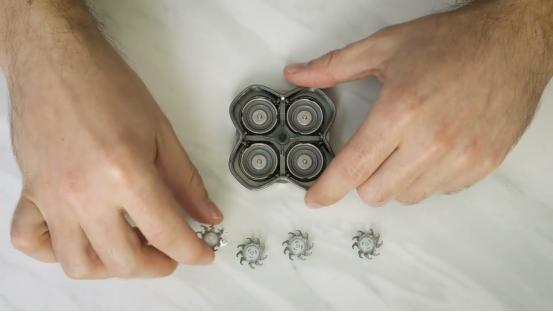
Select models designed for easy cleaning and removable heads:
Detachable heads: Simplify cleaning, allowing thorough separation of blades and foils.
Full-body washable shavers: Can be rinsed under running water, improving hygiene efficiency.
Replaceable blades: Assign personal blades for shared machines, eliminating cross-contact at the root.
Additional Tips and Resources
Professional guides on Head Shaver cleaning, disinfection, and skin-friendly usage are available online. Follow manufacturer instructions and dermatological advice to enjoy a safe, convenient shave while protecting your skin.
Explore detailed hygiene tips here: Shaver Safety & Hygiene Blog
Conclusion
The health risks of sharing a Head Shaver outweigh temporary convenience. Bacterial, fungal, and viral transmission can occur even with minor cuts. If sharing is unavoidable, always clean, disinfect, and minimize skin contact, marking used devices clearly. Ultimately, personal shavers remain the safest choice, especially models that are easy to clean, fully washable, and compatible with sensitive skin, ensuring shaving stays a safe and routine part of daily life.