
The Psychological Effects of Head Shaving: Why More Men Are Choosing to Go Bald—Reclaiming Confidence, Control, and Identity

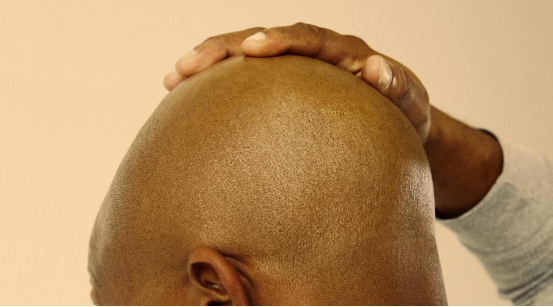
Shaving off the last patch of hair in front of the mirror isn’t just about convenience or fashion for many men. It’s a deeply symbolic act—a way to confront inner anxieties, reshape self-perception, and navigate shifting social roles. Going bald has increasingly become a statement: “I accept myself. I refuse to let hair loss define who I am.”
From pop culture to psychological research, this behavior touches on far more than just appearance. It involves themes of control, confidence, masculinity, and aging.
More Than a Hairstyle: A Return to Control
Hair loss, especially male pattern baldness, is not merely a biological issue for many men; it symbolizes a loss of control. Once hair starts to thin or recede, the process is usually irreversible, which often leads to feelings of helplessness or anxiety. In contrast, proactively shaving the head sends a clear message: “I’m taking control.”
A study by American psychologist Albert Mannes showed that the same man, when photographed bald, was rated as more “leader-like,” “masculine,” and “confident” than with hair. This suggests that those who actively change their appearance are perceived as more in control.
The psychology is straightforward: rather than passively waiting for hair to fall out bit by bit, taking action puts agency back in one’s hands.
Rebuilding Confidence: Baldness as a New Form of Self-Identity
Over recent decades, the image of the bald man has evolved dramatically. Once associated with aging, illness, or even negative stereotypes, baldness has become a symbol of strength, discipline, and confidence.
Think of cultural icons like Vin Diesel from Fast & Furious, NBA legend Michael Jordan, or political figures such as Joe Biden—these figures reinforce the idea of the bald man as a powerful, commanding presence. Today, more everyday men are shaving their heads to project that same strength.
For many, shaving is a kind of rebirth. Social media users frequently report a surprising sense of lightness and clarity after going bald—not just shedding hair but also anxiety, shame, and their old selves.
Changing Social Perspectives: From Concealment to Confrontation
In the past, the market overflowed with hair concealers—from fibers and sprays to pricey hair transplants—implying that hair must be preserved at all costs, and losing it meant losing dignity.
But cultural attitudes are shifting. Millennials and Gen Z men increasingly share their shaving journeys openly, no longer viewing baldness as defeat but as courageous acceptance. This openness plays a critical role in men’s mental health.
Psychologists note that acknowledging change openly is often the first step in rebuilding identity. Shaving the head serves as a powerful ritualistic gesture in that process.
Identity Transformation and Emotional Release
Many men describe the moment of shaving their heads as surprisingly calm, almost like an emotional cleanse. It’s a process of letting go—not fighting or hiding, but embracing the present self.
Psychologically, this fits the concept of “symbolic self-reconstruction.” By changing outward appearance, people unconsciously adjust their inner identity. This phenomenon isn’t limited to hair loss but appears in major life transitions, such as post-divorce transformations or after significant personal loss.
Shaving the head becomes, in a sense, a controlled reset.
Practical Benefits of Going Bald: Beyond Psychology
The benefits extend beyond mental effects:
Time and Money Savings: No more expensive shampoos, styling products, or frequent haircuts.
Clean, Sharp Look: Baldness often projects a crisp, straightforward image suited for business and social settings.
Hygiene and Comfort: Especially in hot or humid climates, a shaved head reduces sweat and irritation.
Style Versatility: Many find pairing baldness with beards, sunglasses, or hats creates a bold personal style.
This “low maintenance, high impact” grooming strategy further fuels the trend’s popularity.
Not for Everyone, But a Growing Choice
Of course, shaving the head isn’t for everyone. Factors such as head shape, skin condition, profession, culture, and personality all influence whether someone “pulls it off.”
Still, more men are reconsidering this option—not out of shame or resignation, but as a proactive, positive decision. It’s a way to respond to bodily changes, societal perceptions, and evolving lifestyles on their own terms.
Conclusion: Baldness Isn’t an End—It’s a New Beginning
Throughout history, shaving the head has often symbolized fresh starts—whether military enlistment, spiritual rites, or new chapters in life. Today, more men use baldness as a marker of farewell to the past and a step toward reinvention.
It doesn’t mean abandoning style or personal expression. Rather, it reflects psychological maturity: the courage to face reality, make conscious choices, and redefine one’s relationship with self and society.
Sometimes, the bravest move is the one made with a razor in hand.