
Head Shaver Travel Guide: How to Carry and Protect It on Flights

Traveling with a Head Shaver can be tricky, particularly for electric models with batteries and precision blades. Without proper handling, these devices may be confiscated at airport security or damaged during transport. This guide breaks down airline compliance rules, packing techniques, and practical tips to help you travel with your Head Shaver safely and conveniently.
Airline Compliance: Carry-On or Checked Luggage?
Airline rules for bringing a Head Shaver mainly depend on device type and battery. Understanding the distinctions can prevent confiscation or delays at security checkpoints.
Electric Head Shaver (With Lithium Battery)
Most electric Head Shaver models come with built-in lithium-ion batteries. Compliance tips include:
Carry-On Requirement: Lithium batteries ≤100 Wh are allowed in carry-on luggage. Most electric Head Shaver batteries range from 20 to 50 Wh, fitting airline standards. Keep the device in an easily accessible section of your bag for security checks.
Checked Luggage Warning: Never check electric Head Shaver devices unless the battery is removable and properly insulated. Loose lithium batteries must have their terminals taped and stored in original packaging. Checked baggage exposes batteries to pressure and temperature changes, increasing the risk of short circuits or fire.
Manual Head Shaver (No Battery)
Manual head shaver devices, such as models with removable blades, do not have battery restrictions but still feature sharp edges:
Carry-On: Remove the blade and store it in a protective case to prevent injury or confiscation.
Checked Luggage: Can be packed directly in luggage, but protective padding is recommended to avoid scratches or bent blades.
Key Tip
Always check your airline’s specific rules, especially with budget carriers in Europe or Southeast Asia. Some may restrict carry-on dimensions or battery-powered devices. For hassle-free selection, visit Best Head Shaver, where travel-friendly models indicate battery capacity, dimensions, and recommended carrying method.
Packing Tips to Prevent Damage
The precision blades and body of a Head Shaver are prone to scratches or misalignment during travel. Follow these three strategies:
1. Use Original Packaging or Protective Case
Original packaging provides the best protection, often with slots that secure the shaver and blades. If lost, purchase a dedicated shaver pouch with foam lining. Always store blades separately to prevent contact with the shaver body and minimize risk of damage.
2. Remove or Lock Blades
Detachable blade models should have blades removed and stored in protective holders. Non-detachable blades should be locked using the device’s locking mechanism to prevent movement. This prevents misalignment or deformation during transport, ensuring the shaver remains functional upon arrival.
3. Smart Luggage Placement
Carry-On: Place the shaver in a soft, upper section of your bag, away from laptops, chargers, or other heavy items.
Checked Luggage (Manual): Wrap the shaver in clothes or towels, using soft items like socks to buffer it from hard objects in the suitcase. This minimizes the risk of dents, scratches, or blade misalignment.
Emergency Handling: Minor Damage on Arrival
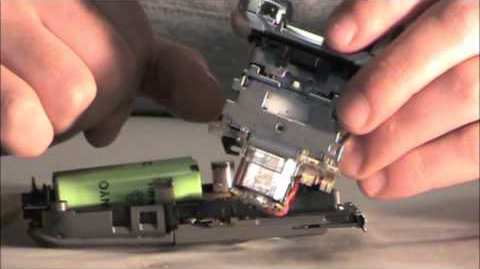
If your Head Shaver sustains minor damage during transit, it’s usually manageable:
Blade Misalignment: Turn off the device, gently realign the blades with a cotton swab, and test operation.
Dull Blades: Use replacement blades if available. If not, rinse blades with water and dry thoroughly to temporarily restore sharpness.
Scratched Casing: Cosmetic scratches on metal or coated shavers can be protected with a thin layer of clear nail polish to prevent rust.
Recommended Travel Models
Selecting the right Head Shaver for travel reduces stress and protects your investment:
Portable Models: Compact, lightweight (≤200g), and the battery lasts 3-5 days per charge. Ideal for short trips or carry-on-only travel.
Durable Models: Models like the Head Shaver Forté feature scratch-resistant ABS casing and dual protection covers for blades, reducing risk of damage from drops.
Replacement Blades: Travel-friendly kits often include spare blades or blade holders. Carry them in a small protective case to ensure a smooth shave during extended trips.
Travel-optimized options can be found at Best Head Shaver with labels for carry-on compliance and durability features.
Additional Tips for Frequent Travelers
Check Airline Regulations in Advance: Some carriers have additional rules for lithium batteries or carry-on sizes.
Pack Accessories Wisely: Include a small cleaning brush, extra blades, or blade oil in a separate zippered pouch.
Avoid Overpacking: Overstuffed bags increase pressure on the shaver, risking blade misalignment or casing scratches.
Key Principles for Air Travel
When traveling with a Head Shaver, focus on two essential points:
Electric models with lithium batteries must be carried in hand luggage; battery capacity ≤100 Wh ensures compliance.
Regardless of carry-on or checked luggage, use the original box or protective pouch, remove or lock blades, and position the shaver away from heavy objects. By following these guidelines, you can prevent airport confiscation, avoid device damage, and maintain a neat appearance throughout your travels with your Head Shaver.