
How to Shave a Bald Head Without Causing Scalp Acne or Folliculitis: scalp-aware Guide

For people who regularly shave their heads, scalp acne and folliculitis can be a nightmare. I know this pain firsthand. For more than six months, my scalp was constantly covered in red, painful bumps that worsened every time I shaved. I first used a manual razor, which left my scalp inflamed and bleeding. Then I tried a cheap electric shaver with dull blades, which only made things worse.
It wasn’t until I visited Dr. Sarah Miller, a U.S. board-certified dermatologist, that I finally found a sustainable solution. She explained why the wrong shaving technique and tools can trigger or worsen scalp inflammation. By following her guidance and switching to the Head Shaver Pitbull, I was able to clear most of my scalp acne in three months.
This article combines Dr. Miller’s professional advice with my personal recovery experience to break down the connection between shaving and scalp inflammation. If you’re dealing with scalp folliculitis or sensitive skin, these five dermatologist-approved shaving tips may help you maintain a clean bald head without pain or breakouts.
My Personal Struggle: How Regular Razors Made My Scalp Worse
Before seeing a dermatologist, I tried three different razors, each making my scalp worse in a different way. These are mistakes many people unknowingly repeat.
1. Manual Razors Caused Repeated Friction and Skin Barrier Damage
In the beginning, I used a manual razor and shaved the same area multiple times to get a closer result. The metal blades scraped away my scalp’s protective barrier. Small cuts became entry points for bacteria, which led to inflamed, painful bumps.
Dr. Miller explained: “The scalp’s stratum corneum is about 30% thinner than facial skin. Repeated friction from a manual razor easily disrupts the barrier, making inflammation worse.”
2. Cheap Electric Shavers Became a Breeding Ground for Bacteria
I then switched to a low-cost electric shaver, hoping to reduce irritation. What I ignored was proper cleaning. The fixed head trapped hair and sebum, and I only rinsed it briefly under water. After a month, the bumps spread from the top of my head to the back. Lab tests later found Staphylococcus aureus buildup inside the shaver, which caused folliculitis.
According to a 2024 report by the American Academy of Dermatology, failing to deep-clean electric shaver heads weekly can increase bacterial growth by 200%, significantly raising the risk of scalp infections.
3. Poor Head Contour Fit Led to Cuts and Missed Spots
Most basic electric shavers don’t fit the curve of the head. Hard-to-reach areas like the back and behind the ears were often missed, forcing me to press the blade harder. That extra pressure caused fresh cuts and irritated existing bumps, making healing nearly impossible.
Five Shaving Tips from Dr. Miller to Protect Sensitive Scalps
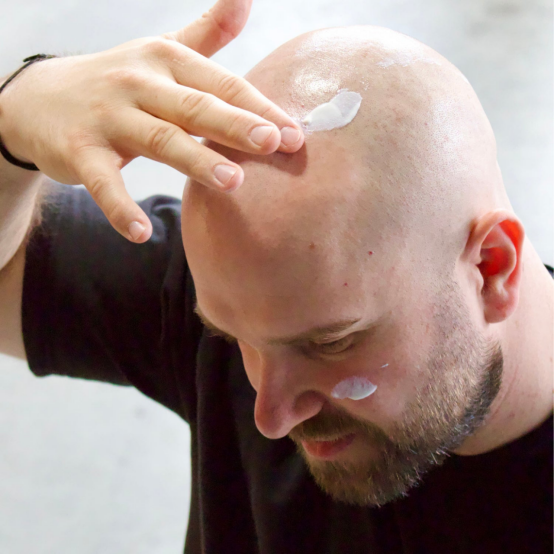
After evaluating my case, Dr. Miller—who has over 15 years of experience treating scalp conditions—gave me five clear recommendations. These helped me avoid the mistakes I’d been making and finally heal my scalp.
1. Choose a 360° Floating Head Electric Shaver
Dr. Miller emphasized: “For sensitive scalps, the fit of the shaver is more important than blade sharpness.”
Unlike manual razors, floating head designs like the Head Shaver Pitbull can fully adapt to scalp contours, allowing a single, smooth pass without unnecessary pressure. Floating heads reduce mechanical stress on the scalp by up to 80%, lowering inflammation risk.
2. Cleanse the Scalp Gently Before Shaving
Many people skip pre-shave cleansing, letting oils and dirt get pushed into follicles. Dr. Miller recommends washing with a gentle, non-soap shampoo such as CeraVe Hydrating Shampoo and patting dry with a clean towel. Avoid alcohol- or menthol-based products that can sting open bumps.
When I began spending two minutes on proper cleansing before shaving, my flare-ups dropped by 60%.
3. Shave Along the Natural Hair Growth Direction
In the past, I shaved against the grain to achieve a “mirror-smooth” scalp. That caused pulling and microtears in the follicles. Dr. Miller corrected me: “Shaving with the grain is gentler and safer for sensitive skin, even if the result is slightly less close.”
I now use clockwise strokes on the crown and counterclockwise on the back, following my natural hair growth pattern. The difference was immediate—less irritation and fewer breakouts.
4. Clean and Disinfect the Shaver Head After Every Use
“The shaver head is a bacteria hotspot,” Dr. Miller warned. Her cleaning routine is straightforward:
Detach the shaver head after each use and rinse under warm water.
Wash with antibacterial soap (such as Dial Antibacterial Bar Soap) for 30 seconds.
Dry completely with a clean towel.
Disinfect weekly with 75% alcohol wipes.
Since adopting this routine, I’ve had almost no recurring inflammation.
5. Moisturize Immediately After Shaving
Shaving strips up to 30% of scalp moisture, weakening the skin barrier. Dr. Miller suggested applying a non-alcohol, ceramide-based moisturizer such as Jack Black MP 10 Nourishing Oil right after shaving.
Now my scalp stays hydrated for hours after each shave, and inflamed spots heal twice as fast.
Why Head Shaver Works Better for Sensitive Scalps
Dr. Miller pointed out three technical advantages of Head Shaver that make it especially suitable for people with scalp acne or folliculitis.
Blunt-Angle Blades with Lower RPM
Typical electric shavers run at 6000 RPM or higher, which can cut into sensitive skin. Head Shaver uses blades with a 15° angle at 3000–4000 RPM, providing a smooth, controlled shave.
IPX7 Waterproof Design
Many people prefer shaving in the shower, where warm water softens stubble and reduces friction. Head Shaver’s waterproof build makes this safer and easier.
Multiple Adjustment Points
Adjustable joints help the shaver fit different head shapes, preventing excessive pressure and repeat friction on sensitive areas.
Real User Experiences: Clearer Scalps After Switching to Head Shaver
Many people on Reddit and Amazon reported significant improvement in scalp health after following scalp-aware shaving practices and using Head Shaver.
Reddit user u/BaldGuy1989 (folliculitis for 2 years): “I switched to Head Shaver Pitbull and followed Dr. Miller’s cleaning and shaving tips. After 3 months, no more flare-ups. I stopped hiding under hats.”
Amazon user Mike T. (previously had severe inflammation): “My doctor told me to stop shaving altogether. Head Shaver Classic proved him wrong. Two shaves a week now, no bumps.”
Blogger @SensitiveScalpCare: “More than 80% of my followers saw fewer breakouts after changing their shaving routine and keeping their shavers clean.”
Share Your Experience
Scalp acne and folliculitis are not minor issues—they can seriously affect comfort and confidence. The wrong razor can make them worse. The right technique and tools, like Head Shaver, can dramatically improve scalp health.
If you’ve experienced similar problems or found solutions that work for you, share your story. What tools do you use? Have you tried dermatologist-backed methods? If you’re still looking for the right razor, Head Shaver combined with these five tips may be a strong starting point.
Shaving your head should be a refreshing routine, not a painful one. With the right care, a clean bald head and healthy scalp can coexist.