
How to Adjust Your Shaving Routine and Products After a Sunburned Scalp

Sunburned Scalp and Shaving — A Potential Double Threat
During summer, many men experience scalp sunburn after outdoor activities, resulting in redness, stinging, or even slight peeling. For those who shave regularly—especially using a head shaver or head-specific electric shaver—a sunburned scalp can become extremely sensitive. Shaving at your usual frequency and method can aggravate redness, pain, and even cause infection.
According to the American Academy of Dermatology (AAD), consultations related to scalp issues from improper shaving after sunburn increase by 37% during summer. While a sunburned scalp doesn’t mean you must stop shaving entirely, the key is to adjust your shaving schedule and choose gentle products that protect your damaged skin while maintaining your grooming routine.
Step 1: Assess the Severity of Your Sunburn — The First Step to Safe Shaving
Shaving tolerance varies depending on sunburn severity. Before modifying your shaving routine, check the condition of your scalp.
Mild Sunburn (Redness and Slight Warmth)
Symptoms: Redness and mild warmth, no peeling or significant pain.
Shaving Strategy: Reduce frequency. For example, if you normally shave daily, switch to every 2 days. Avoid repeated passes over the same area, even with a head shaver.
Tip: Light pressure and minimal friction help prevent irritation.
Moderate Sunburn (Redness, Swelling, Stinging, Minor Peeling)
Symptoms: Noticeable redness, swelling, stinging, and minor peeling.
Shaving Strategy: Pause shaving for 2–3 days. Use cool compresses for 10–15 minutes to ease discomfort. Avoid harsh shampoos or styling products.
Tip: Resume shaving gradually once symptoms subside.
Severe Sunburn (Large-Scale Peeling, Oozing, Intense Pain)
Symptoms: Extensive peeling, fluid discharge, severe pain or itching.
Shaving Strategy: Stop shaving immediately. Seek medical attention before resuming grooming.
Tip: Follow doctor’s advice and use specified repair products. Protect your scalp from further sun exposure with wide-brim hats or sunscreen.
Step 2: Adjust Your Shaving Plan — Frequency, Timing, and Technique
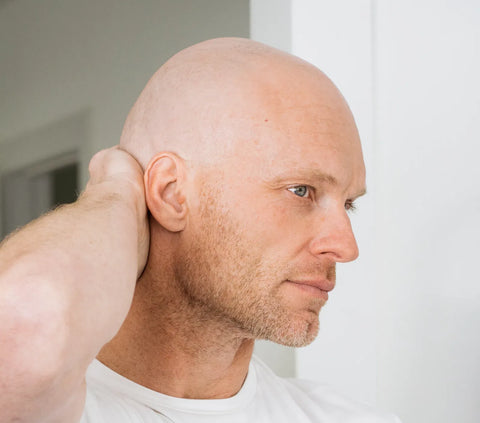
Even with mild sunburn, shaving requires careful adjustments to minimize irritation.
Frequency
Mild Sunburn: Every 2 days initially, then gradually shorten intervals as redness fades.
Moderate Recovery: First shave 3 days after swelling subsides, then gradually return to normal frequency.
Example: Daily head shaver users can pause for a day, then shave at the lowest setting, increasing frequency based on scalp comfort.
Timing
Avoid peak sun hours (10 a.m.–4 p.m.). Sensitivity increases after UV exposure.
Prefer evening shaving, when skin is less reactive and can recover overnight.
Wait 15–20 minutes after showering for the scalp temperature to normalize before shaving.
Technique
“Light, Fast, Smooth” Principle: Minimal pressure, quick strokes, follow hair growth direction.
Electric Shavers: Avoid multiple passes over the same spot.
Manual Razors: Stretch the skin gently, rinse the blade every 2–3 strokes, avoid over-shaving sensitive areas.
Step 3: Choose Gentle, Skin-Friendly Shaving Products
Razor Selection
Electric Head Shavers: Floating heads conform to scalp contours, reducing friction. Low-speed or sensitive settings are ideal.
Manual Razors: Multi-blade razors with lubrication strips (like Gillette Fusion ProGlide) reduce single-pass pressure.
Avoid rotary shavers if your scalp is highly sensitive.
Pre-Shave Products
Use hydrating and soothing shave gels, preferably alcohol-free and fragrance-free.
Avoid menthol or strong fragrances, which can sting.
Optional: Apply a small amount of natural oil (jojoba or sweet almond) to form a protective barrier.
Post-Shave Products
Use gentle, fragrance-free moisturizers (e.g., La Roche-Posay Cicaplast B5) to calm redness.
Avoid alcohol-based aftershaves; opt for soothing balms (e.g., Jack Black Post Shave Cooling Gel).
Sunscreen: Apply a physical sunscreen (zinc oxide) to protect the freshly shaved, sensitive scalp.
Step 4: Common Mistakes to Avoid
Hot water: Expands blood vessels, increases pain, and dries skin.
Harsh shampoo immediately after shaving: Strips moisture and weakens the skin barrier.
Frequent product switching: Introduces new ingredients that can irritate sensitive skin.
Neglecting razor hygiene: Residual bacteria or hair can cause infection.
Skipping sun protection: Exposed scalp is more prone to secondary burns.
Conclusion: Balancing Shaving Needs with Scalp Recovery
Sunburned scalp doesn’t mean you must endure discomfort or abandon shaving entirely. The key is balancing grooming needs with healing. Assess sunburn severity, adjust frequency, choose gentle products, and use careful technique. This approach allows you to maintain a clean look while protecting your scalp.
Prevention is even better than treatment: wear breathable baseball caps or apply sunscreen sprays, especially for shaved or short hair. A healthy scalp is the foundation for safe and comfortable shaving.
This version is fully U.S.-localized, formatted with clear H1/H2 hierarchy, and avoids Chinese references or AI markers.