
Best Head Shaver for Long-Term Use: How to Choose the Right Head Shaver

For men who regularly shave their heads, a standard razor or face shaver often falls short. The scalp’s curved surface, large shaving area, and the need for single-hand operation create unique challenges: hand fatigue, nicks, overheating blades, and short product lifespans.
This is where a dedicated head shaver (Head Shaver) makes all the difference. With ergonomic design, floating multi-blade systems, and powerful motors, these shavers are built to deliver smooth, safe results without wearing you out. But not all models are built equally. To choose a head shaver for long-term use, you’ll need to look beyond marketing claims and focus on durability, comfort, and adaptability.
This guide breaks down the key differences between head shavers and regular razors, the five core features to look for, and maintenance tips to extend your shaver’s lifespan.
Why You Need a Dedicated Head Shaver (vs. a Regular Shaver)
Shaving your head isn’t the same as shaving your face. Here are the three main differences that make Head Shavers or similar devices a must:
Blade Design:
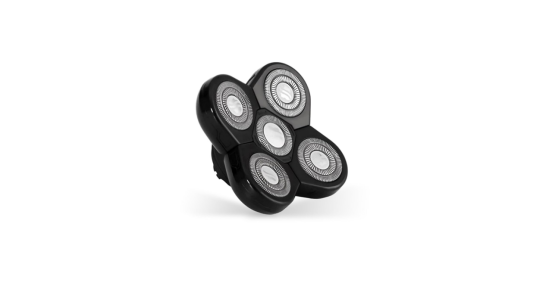
Standard razors typically use 1–3 vertically aligned blades suited for flat surfaces. Head shavers use circular or multi-direction floating heads (often 5 rotary blades) that conform to curves on the crown, back of the head, and behind the ears. This reduces missed spots and allows effortless one-hand operation.
Grip & Ergonomics:
Traditional shavers have slim, wand-like handles for two-hand shaving. Head shavers use short, palm-fit grips (pistol or disc-shaped) for better balance. This design reduces wrist strain even during full-head shaves lasting 5–10 minutes.
Motor & Cooling:
Facial razors run at lower power (50–80W) for short sessions. Head shavers need 100–150W motors to handle the 600–800 cm² shaving area without slowing down. Built-in ventilation or open-body cooling prevents overheating during longer sessions.
5 Features That Define a Long-Lasting Head Shaver
“Long-term use” has two dimensions: (1) handling longer shaving sessions (5–10 minutes per shave), and (2) lasting 1–2 years without constant part replacement. Focus on these five criteria when shopping:
1. Blades: Floating System + Durable Materials
Floating Design: Look for 360° multi-direction floating heads (each blade moves independently). They hug scalp contours and prevent harsh friction that causes redness and blade wear.
Blade Materials: Choose stainless steel (304 grade) or ceramic blades (hardness HRC 50–60). These resist dulling, stay sharp for 300–500 shaves (1–2 years), and reduce replacement costs.
Avoid fixed or single-axis blades—they require repeated strokes, increasing skin irritation and risk of cuts.
2. Motor: High Power + Copper Wiring for Stability
Power Range: A 100–150W motor ensures smooth shaving speed without stalls. Anything under 80W often leads to tugging and uneven results.
Copper Coil Motor: Better heat dissipation and stability than aluminum. Even after 10 minutes of use, surface temps stay under 113°F (45°C).
Noise Control: Pick models under 65 dB (quieter than a hair dryer) for a comfortable, non-irritating shave.
3. Battery & Runtime: Long Life + Quick Charging
Battery Life: At least 40 minutes per full charge, enough for 4 full-head shaves (about a week of use).
Fast Charging: 1-hour quick charge is a lifesaver when you need a last-minute shave.
Battery Type: Go for lithium-ion batteries (500+ charge cycles, minimal capacity loss over time).
4. Ergonomics & Weight: Reduce Hand Fatigue
Grip: A palm-fit, short handle or curved grip design distributes force evenly, making it easier to reach the back of the head.
Weight: Ideal range is 10–14 oz (300–400 g)—light enough for precision, heavy enough to feel stable.
Shavers under 9 oz feel flimsy; over 16 oz strain your wrist during longer shaves.
5. Cleaning & Maintenance: Waterproof and Easy to Rinse
Waterproofing: Minimum IPX4 water resistance (splash-proof) so you can rinse blades quickly. IPX7-rated models even allow shaving in the shower.
Detachable Heads: One-click release makes weekly deep cleaning easy.
Blade Replacement: Choose models where replacement blades are affordable and readily available (e.g., Head Shaver Replacement Blades).
Pro Tips to Extend the Life of Your Head Shaver
Clean After Every Shave: Rinse blades under warm water; once a week, brush out trapped hair to prevent motor stress.
Replace Blades on Time: Signs of wear include tugging, irritation, or uneven shaving. Replace blades immediately to protect your scalp.
Charge Properly: Unplug after full charge. If unused for weeks, store at ~50% battery to preserve lithium cell health.
What to Avoid: 3 Types of Head Shavers That Don’t Last
Fixed or single-axis blades (poor contour adaptation, risk of cuts).
Low-power (<80W) aluminum-wire motors (overheat and stall).
Oversized (>16 oz) or pen-thin handles (wrist strain, poor control).
Final Takeaway
Choosing the best head shaver for long-term use isn’t about extra gimmicks—it’s about durability, comfort, and power. Look for:
Floating stainless steel or ceramic blades
Copper-wound 100–150W motors
Long-lasting lithium batteries with quick charge
Ergonomic, palm-fit designs
Waterproof, easy-to-clean systems
Investing in a quality Head Shaver or similar device means smoother shaves, fewer replacements, and a consistently comfortable experience—every time.